Request more information on the EBOL program:
Thank you! Your submission has been received!
Oops! Something went wrong while submitting the form.


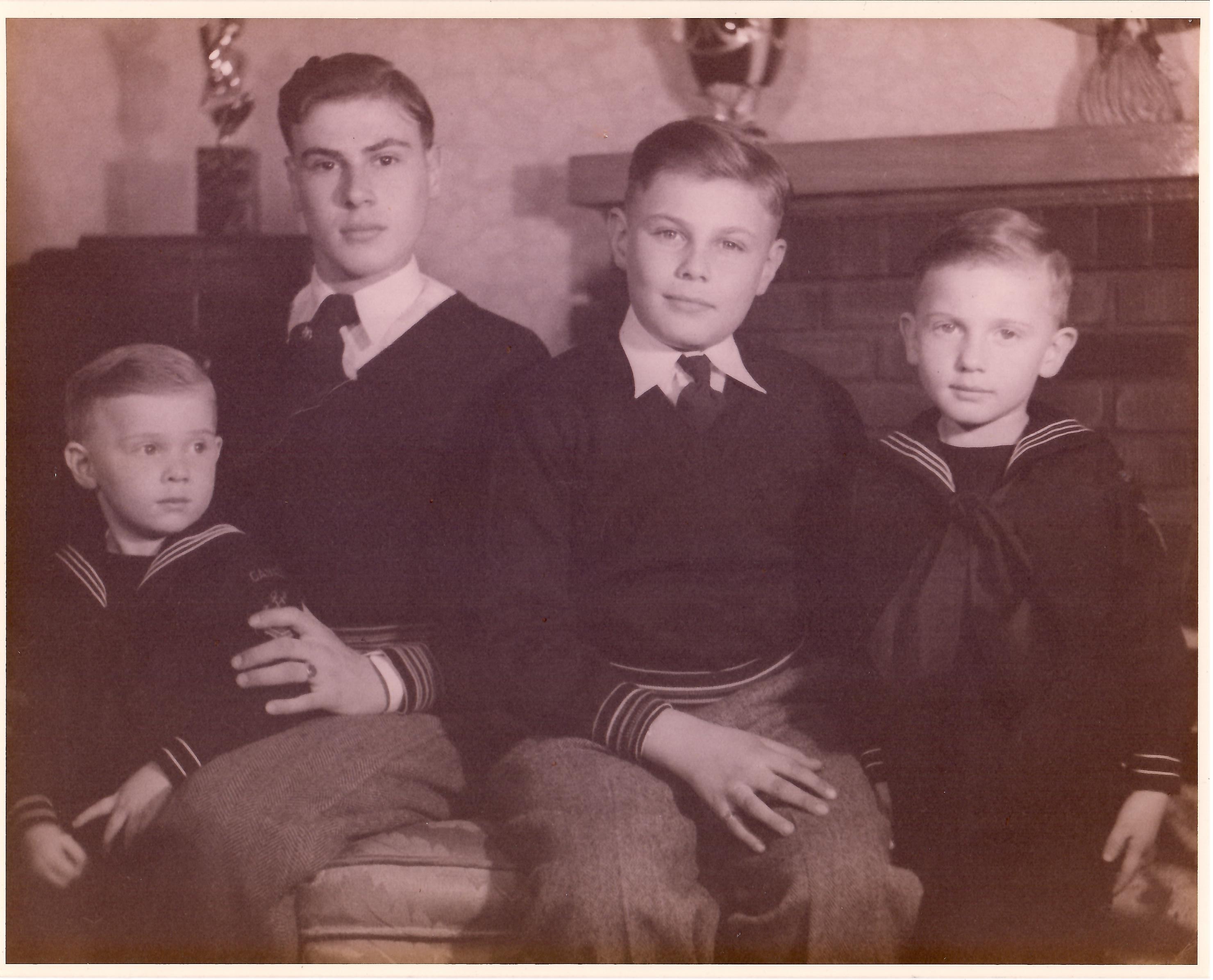
The Wolchock boys, Bernie, Leonard, Harvey and Sid.
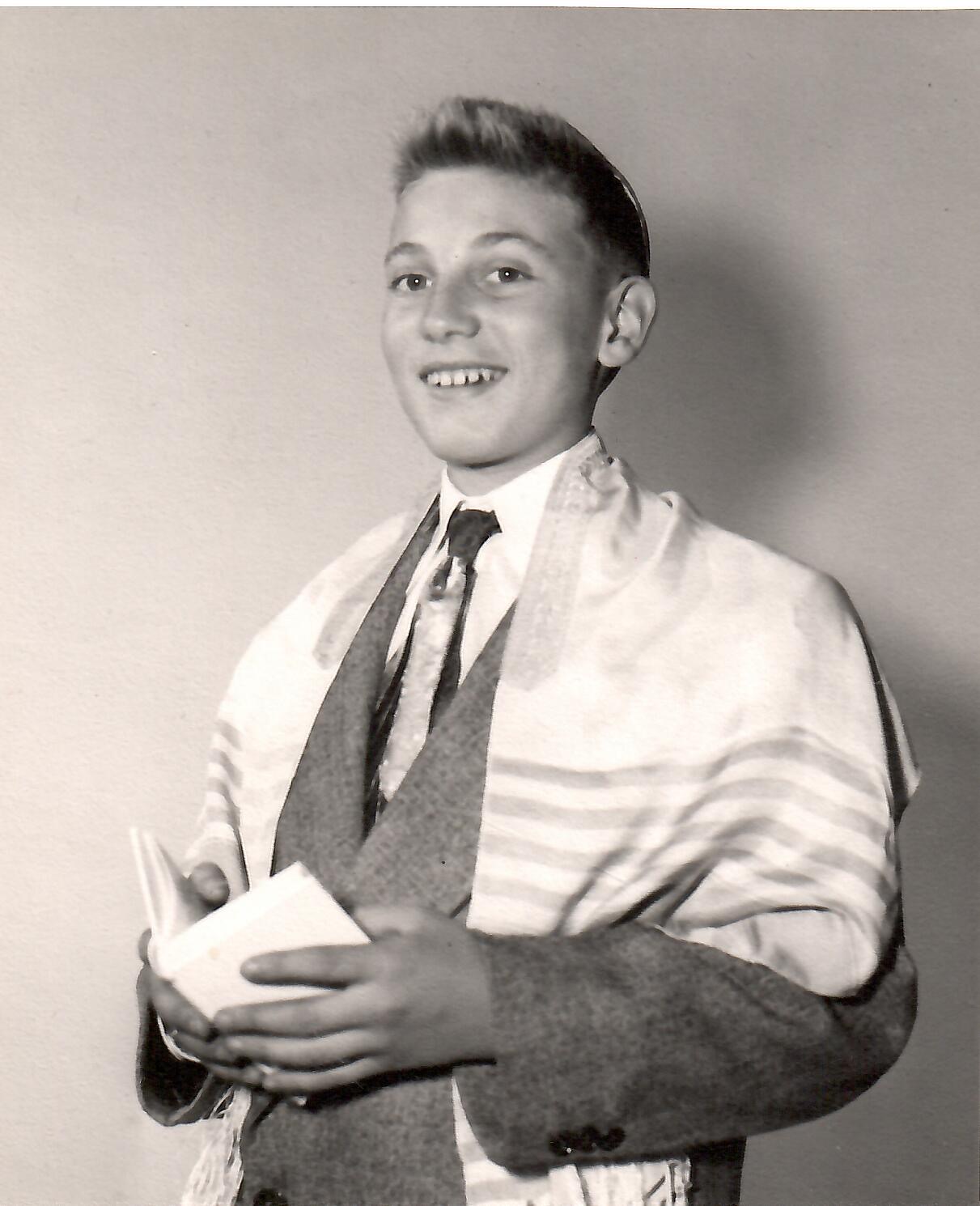
Sid's bar mitzvah at Beth Jacob Synagogue.

Sid's St John’s High School year book photo.
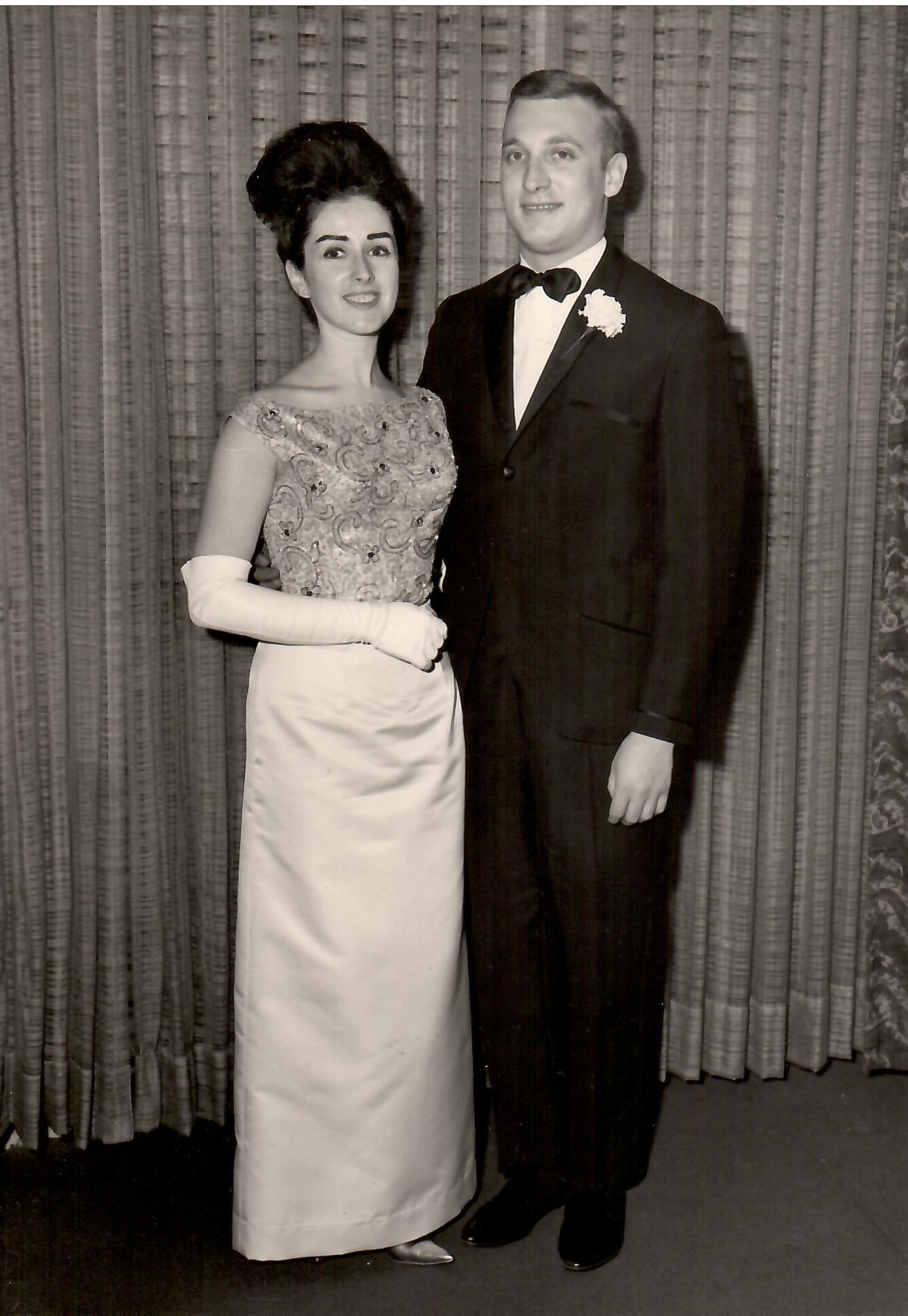
Law graduation party with Sharon.
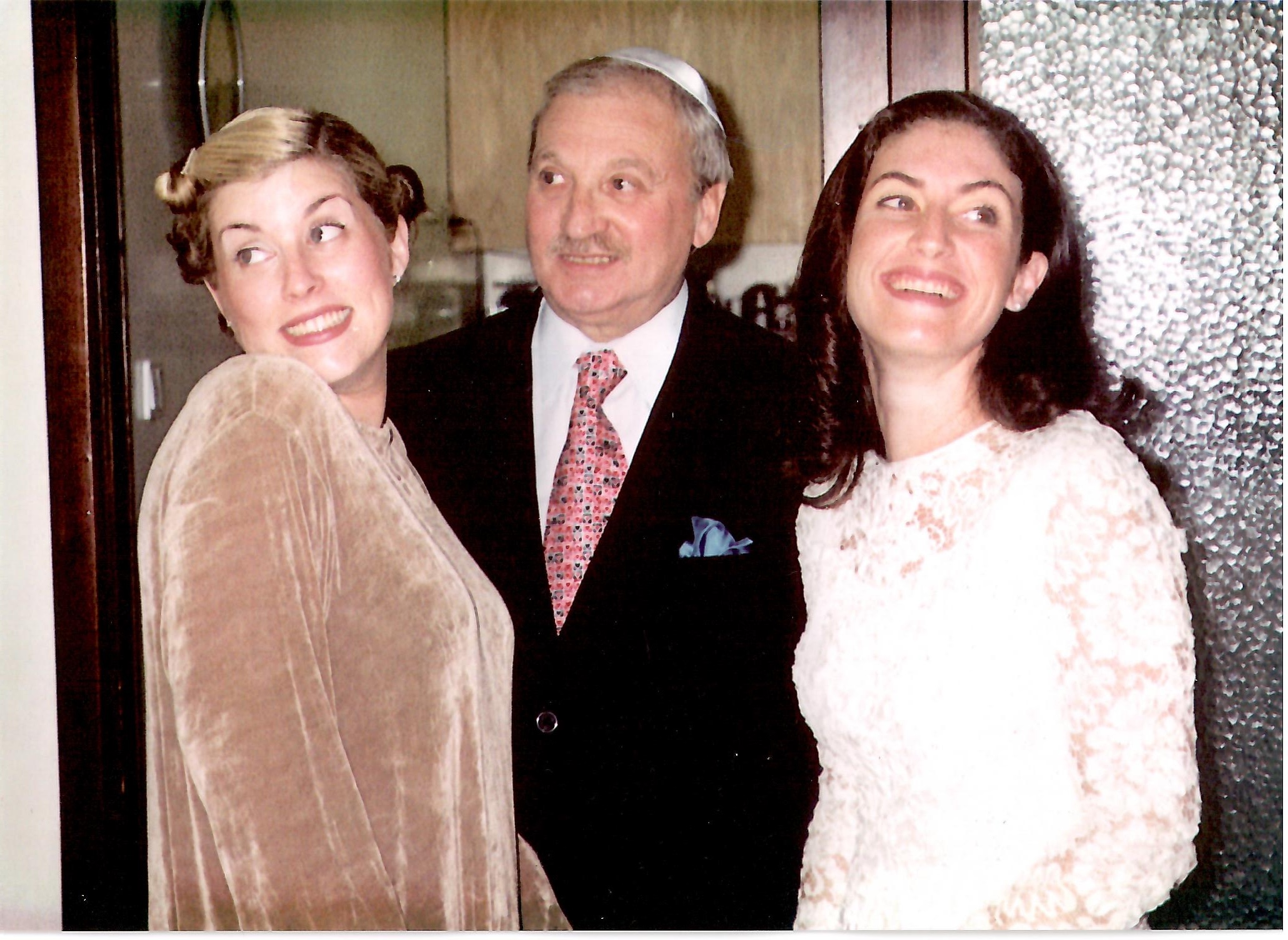
Sid with Shauna and Serena.
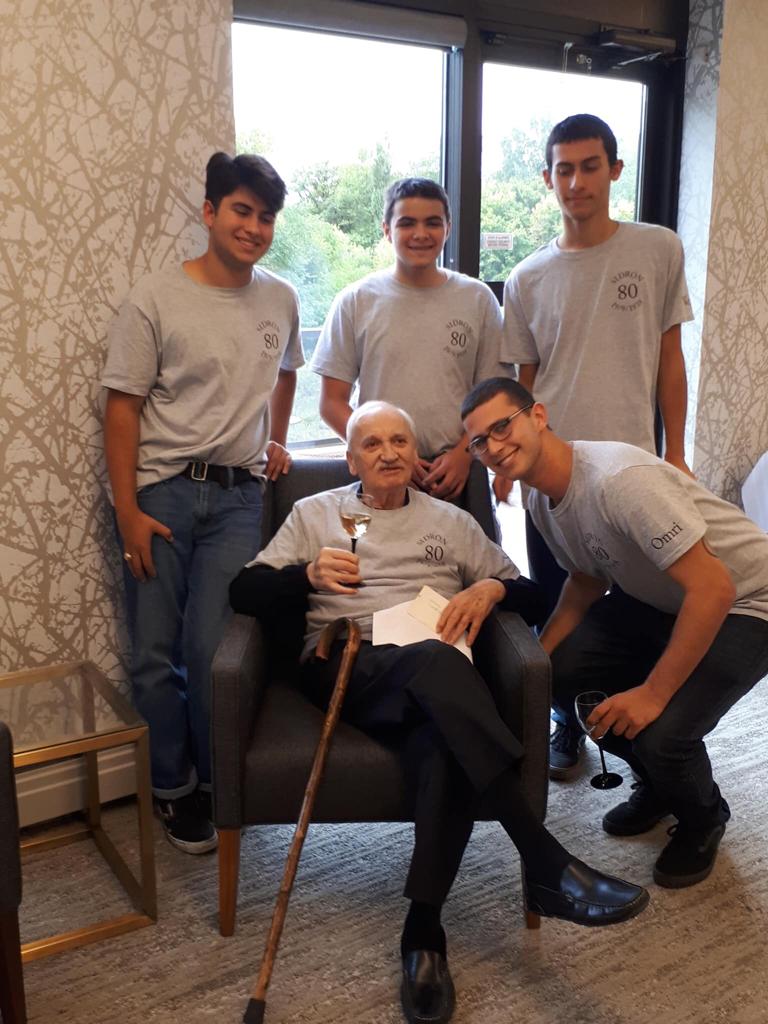
Sid’s ‘Manskees’ - Zac, Ben, Noam and Omri
In August 1949 a reporter from the Winnipeg Tribune came to Bredin Drive in East Kildonan to write about the city’s newest homes. A blond ten-year-old answered the door, more curious about the reporter’s job than about his own street. “Gee, it must take a long time to write about a whole street,” said Sidney Wolchock, and then he told her everything he knew.
Sid stayed that way for the next 72 years. He wanted to know how things worked, why they were done and who did them, and he was generous with everything he learned.
Sid’s story began on September 19, 1938. With his unique sense of humour, he liked to describe the hardships of the times, and how as a newborn he sold newspapers outside the hospital for streetcar fare home. His young daughters found this completely believable. His parents, Rose (née Chaiken Blank) and Bill Wolchock, had fled the czar’s Russia, and Sid never forgot what that meant. “I am a first generation Canadian and perhaps that is difficult to believe [...] that I sit before you having been educated, indeed born in Manitoba,” he told a Manitoba constitutional task force in 1991, “the son of people who came to this country [...] hoping for a better future.”
Sid’s first years were at 409 Boyd Avenue in the North End with his older brothers, Leonard and Harvey. A few years later came Bernie, his younger brother and best friend. In the mid-1940s the family moved to Hawthorne Avenue in North Kildonan, and in 1950 they settled on Bredin Drive, where his father built some of the first houses and a group of Jewish families made their homes. Around this time, Sid celebrated his Bar Mitzvah at the Beth Jacob Synagogue in 1951.
He went to Machray School and then St. John’s, where his 1955 yearbook named him the class social rep and “star tenor in the study period music sessions.” He was also a wizard in the pool hall. The classroom was another matter, and after Grade 11, Sid did what few kids his age ever did: he took a year off to regroup and worked at his uncle’s lumber mill in Prince George, British Columbia. The hard and rough work at the mill realigned his priorities.
By then he had already met Sharon Mondell. They started talking on a bus ride to the YMHA when he was fifteen and she was fourteen, and the conversation carried on through clubs and Saturday night dances at the Y. Sharon’s parents, Ruth (née Etkin) and Bernard Mondell, were already close friends with the Wolchocks. With Sharon’s encouragement Sid went back to school, first at United College and then at the University of Manitoba, where he earned his Bachelor of Arts. Then came law school. The student who had once taken a year off graduated in 1964 as the gold medallist in law, with the Alexander Morris Exhibition Prize for the highest standing over the four-year program.
Sid and Sharon married in 1960, while he was still a student. Serena Nonie was born in 1965 and Shauna Megale in 1969. With a great sense of achievement, they saved enough to build their own home at 10 Grandcrest Street in Garden City, where the girls were raised.
Within two years of graduating, Sid’s name was on the door of the firm, Fletcher, Baker & Wolchock, and in 1973 he opened Wolchock & Company. He practised law for more than fifty years, with clients from every walk of life. The relationship that meant the most to him was with Manitoba’s Hutterite colonies, which he represented for some forty years, including at the Supreme Court of Canada. A Jewish lawyer from the North End and German-speaking farmers from the countryside made an unlikely pair, and the work grew into friendships. To Sid, that was Canada at its best.
He believed in hard work and in speaking up when something was wrong, even if it left him in the minority. In 1991 he went before a committee of the Manitoba Legislature as a private citizen to object to a city tax that had hurt his clients. The whole matter, he said, came down to “two words: responsibility and integrity.” It is hard to find better words for how he practised law and how he lived.
Sid was Sharon’s biggest supporter. Her volunteer work with the National Council of Jewish Women and the Jewish Federation mattered as much to him as his own legal career, and he backed it fully. He wanted Sharon and their daughters rooted in the Jewish community, in whatever way suited each of them.
Away from the office, Sid spent summer weekends in Gimli and winters in Palm Springs, and wherever he was, his world was full of music and art. His taste in music was eclectic, spanning country to classical, but opera was his great love. He collected art, especially Inuit sculpture, and he sought out galleries, whether established galleries in Canada or small artist studios in Tel Aviv, and came to know the artists. For Sid, a piece was never just an object; the people behind it mattered as much as the work, and those relationships were part of every acquisition. He collected inkwells, too. And he loved history, especially aviation and military history.
In 1983, on Sid and Sharon’s first trip to Israel, Sid’s lifelong connection with the Jewish state was born. Israel merged Sid’s love of aviation and history and his pride in being a Jew. He became a passionate supporter of Israel’s soldiers and donated club rooms on two air force bases, named for his brothers Harvey and Bernie, so that hardworking and often under-appreciated technical crews had somewhere comfortable to relax.
Above all, Sid was a social guy and a great conversationalist. To say Sid liked the phone would be an understatement: he loved it! Staying in touch with family and friends was important to his being. He truly cared about hearing from the people close to him in life and it was always
comforting to know he was there to listen. “I never had a discussion with Sid that didn't leave me with the feeling of knowing more at the end than at the beginning,” one friend said.
In 1998 a new era began: the Zaida years. Being Zaida to his four “manskees” was his greatest joy: Omri, then Zac, then Noam and finally, as he said, “the littlest boychik of them all,” Ben. To the boys he was simply Zaida, and learning he had another name came as a shock. The boys had many great visits in Winnipeg, spending time in Zaida’s “cave.” He wanted to hear about everything in their lives, and he talked with them about politics, history, sports and finance, never shy about his own opinions. Sid was big on nicknames, and you were lucky to be given one. Some came naturally and others took time, but if you got one you were part of a special club.
In a Bar Mitzvah blessing to one of the manskees, he wrote: “My personal enjoyment is visiting with my daughters and seeing their children grow up as interested young men who have great futures ahead. My wish for you is that your Bar Mitzvah is meaningful and the start of a successful future in education, as a Jew and a great, compassionate human being.”
Sid passed away on August 22, 2021, at 82. The little boy who opened the door on Bredin Drive all those years ago never stopped asking questions, and he never wavered on who he was: a proud Canadian, a proud Jew and, above all, a man who was deeply proud of his family.

