Request more information on the EBOL program:
Thank you! Your submission has been received!
Oops! Something went wrong while submitting the form.



Richard Rice
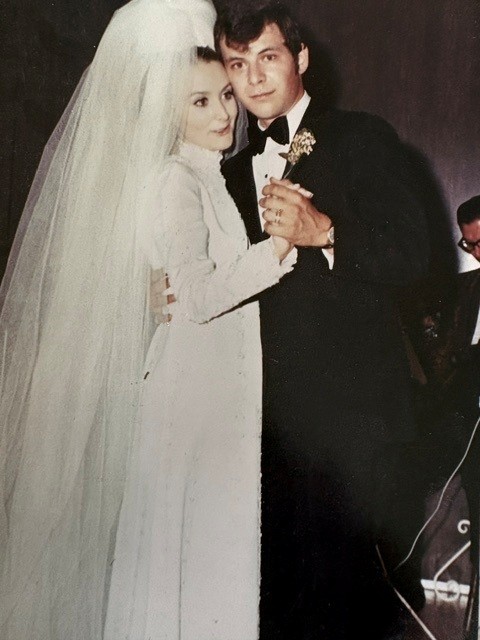
Wedding Day: Richard and Melissa 1969
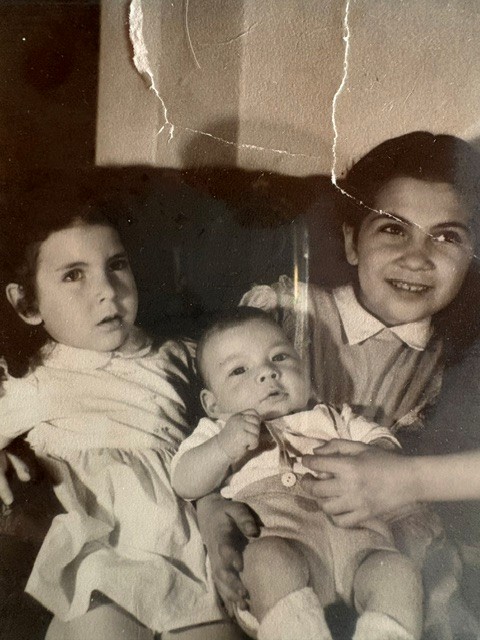
Glorianne,Richard and Tama Rice (1947)
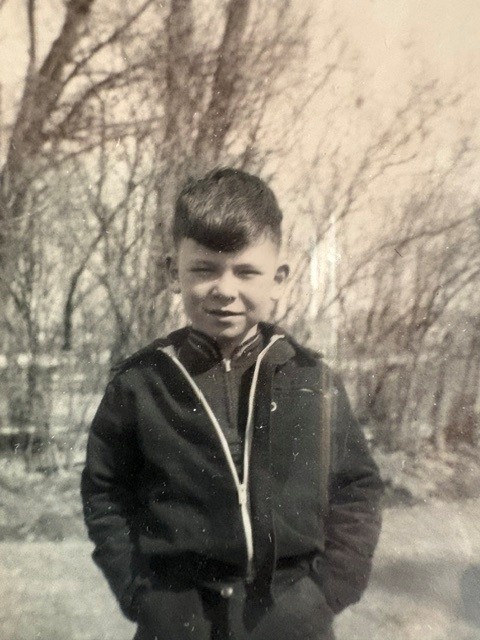
Richard 1953
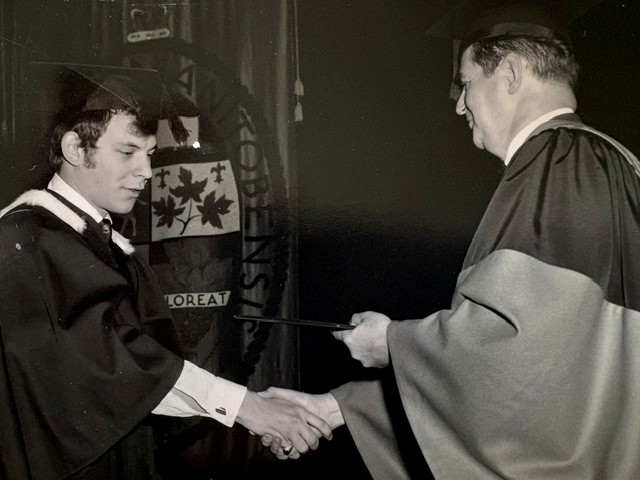
Richard Graduation at University of Manitoba 1970
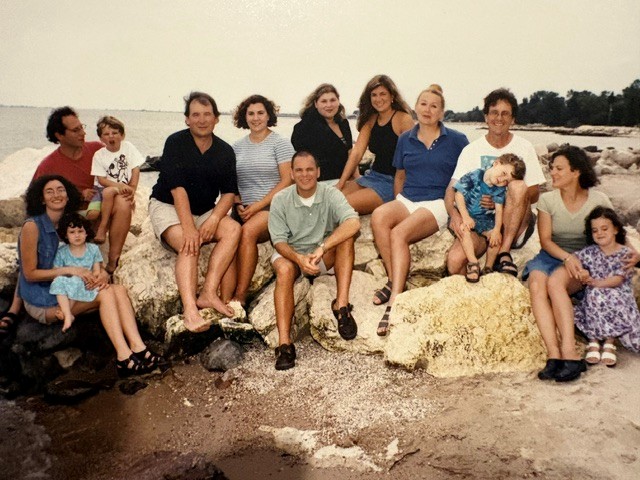
Family 1997 in Gimli: Stephen, Rachel, Leo and Celia, Richard, Aimee,Hart. Brynn, Danielle, Melissa, David, Edward, Jennifer and Molly

Richard and Melissa Rice (45th Anniversary Dinner) : June 2014
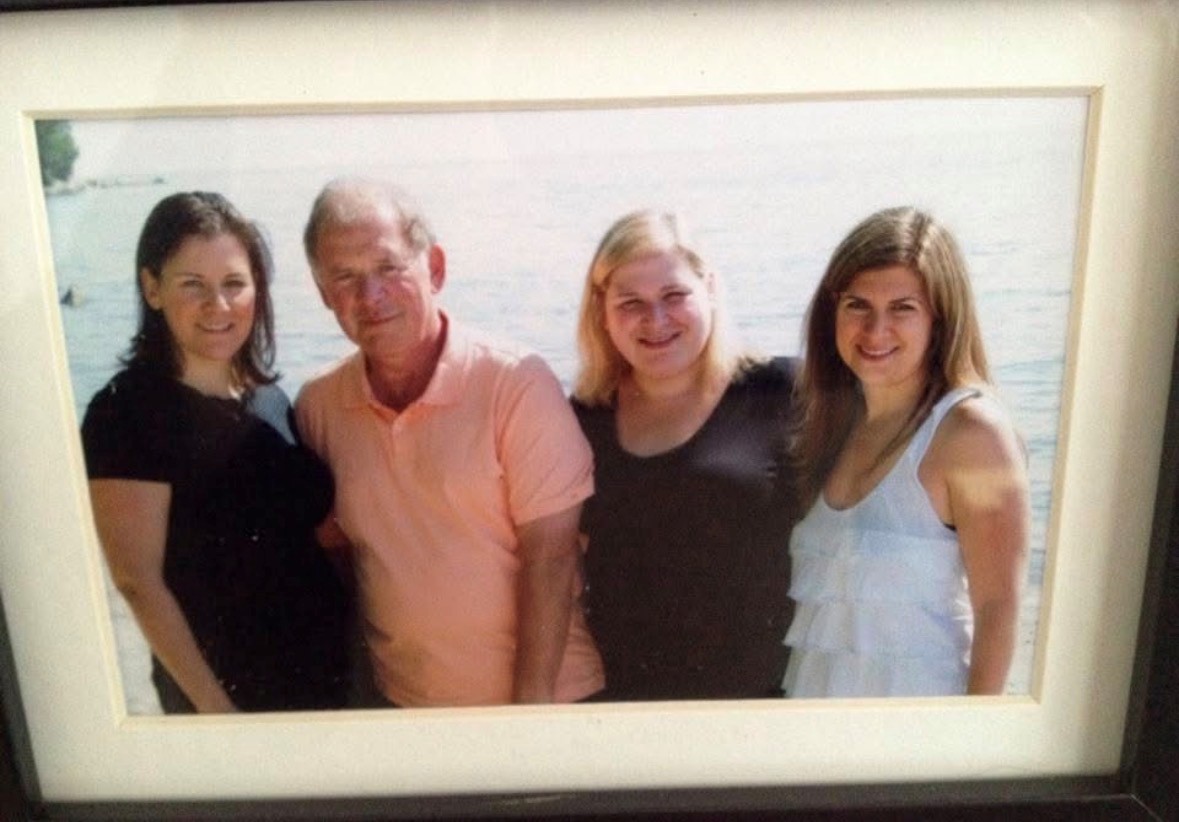
Richard and daughters Aimee, Brynn and Danielle (Gimli 2013)
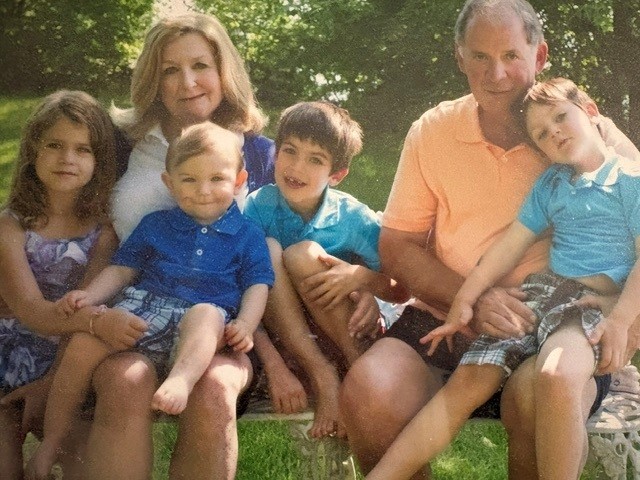
Richard and Melissa with grandchildren: Gabrielle, Noah, Ari and Matthew2013
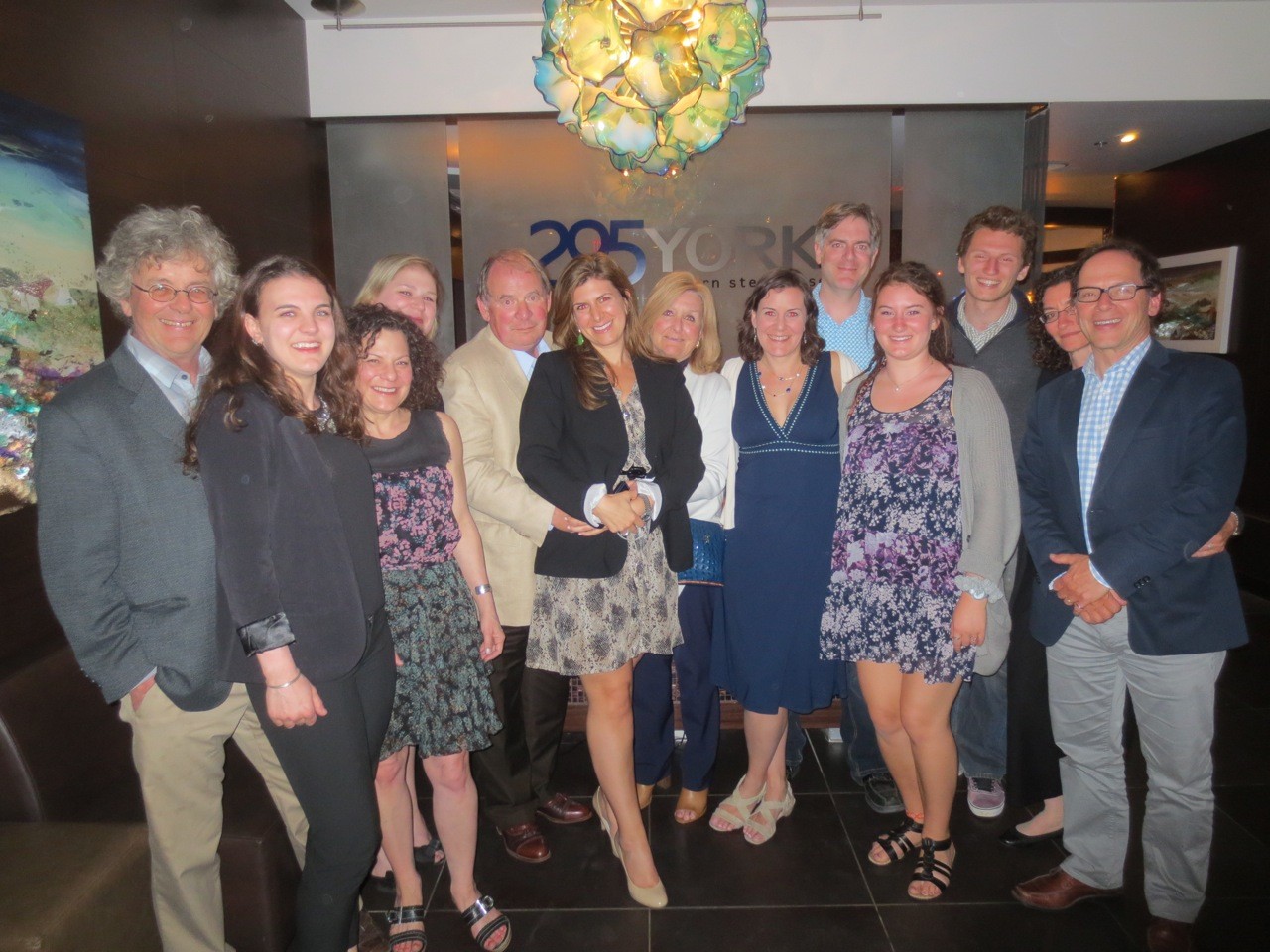
Family 2014: David, Molly, Jennifer, Brynn, Richard, Dani, Melissa,Aimee, Chris, Celia, Leo, Rachel, Stephen
Richard Michael Rice loved deeply, gave generously, and always put family first.
Born on February 8, 1947, to Celia (Shefflin) and Edward Rice, Richard was the cherished only son following his two older sisters, Tama Werner and Glorianne Robinovitch. The family home on Scotia Street in Winnipeg's North End was filled with warmth, laughter, food, friendship, and Yiddishkeit.
His father, Ed, owned Yellow Cab Company, formerly Northern Taxi. As teenagers, Richard and many of his friends found work driving cabs. Those long hours navigating Winnipeg taught him the intricacies of the city and introduced him to neighbourhoods and people he otherwise might never have known. It was likely there that his lifelong fascination with Winnipeg's architecture, history, and cultural communities first took root.
Richard, who attended Luxton School, had a childhood that was not without its challenges. At five years of age, he contracted polio - one of the last in Manitoba to contract the illness before a vaccine was developed. He spent eight weeks in an iron lung at Municipal Hospital, an experience that remained vivid throughout his life. He remembered the smell of the hot foment treatments to ease painful muscle contractions and recalled how his clothing was burned because doctors believed the virus could survive in fabric. Rather than allowing that experience to define him negatively, Richard transformed it into one of the many remarkable stories he carried throughout life.
Richard was immensely proud of his Jewish faith and heritage. He celebrated his Bar Mitzvah, participated in Kadima and AZA, and formed friendships that would last a lifetime. His close friends circle included Joel Weinstein, Ronnie Sirkis, and many others who shared countless adventures, misadventures, and laughs over the years. Their friendships endured because Richard understood something important: relationships require time, loyalty, and commitment.
The lake played a starring role in Richard's life story. Childhood summers were spent at Winnipeg Beach, Gimli Summer Club, and later Loni Beach. He often joked that a tree falling on his head and cracking open his skull should have been his biggest Gimli story. Yet even that dramatic event was overshadowed by something far more important. Four cottages down was a young girl named Melissa Malchy who would become the love of his life.
They met as children, fell in love as teenagers, and were rarely apart from that moment forward. Their partnership lasted more than 55 years and was marked by profound devotion, friendship, mutual respect, and enduring love. Richard often said that Melissa was the best partner anyone could ever hope for. Those who knew them saw a couple who truly grew up together, built a family together, and remained each other's greatest source of strength and joy.
A defining chapter in Richard's life began when he was only 19. His beloved sister Glorianne and her husband Gerald died tragically in a plane crash, leaving behind three young children: Jennifer, Stephen, and Hart. Richard's life changed in an instant. The free-spirited young scholar became a devoted son, uncle, and caregiver. The children moved into the family home with Richard and his parents, and he helped provide the stability, love, and guidance they desperately needed.
Years later, after he and Melissa married and welcomed daughters Danielle, Aimee, and Brynn, Richard and Melissa opened their doors even wider by bringing Jennifer, Stephen, and Hart into their growing household. There was never any distinction in Richard's heart. Family was family.
That decision tells us almost everything we need to know about Richard Rice. When people needed him, he showed up. Without fanfare. Without complaint. Without expectation of recognition. He simply did what was right.
Richard possessed a remarkable intellect and an insatiable curiosity about people and culture. He earned both a bachelor’s and master’s degree from the University of Manitoba before pursuing doctoral studies in Cultural Anthropology at Brown University. His master's thesis, dedicated to Melissa, reflected his fascination with kinship, family relationships, and cultural traditions. Anthropology suited him perfectly because Richard genuinely loved learning about people. He was particularly interested in Jewish, Indigenous, and Icelandic cultures. When his doctoral studies were interrupted by family tragedy, he returned to Winnipeg where he completed his law degree and embarked on a distinguished legal career.
After earning his law degree from the University of Manitoba, he built a respected legal career that spanned decades. He practised first at Arpin & Company before continuing his work with McJannet Rich, Darcy Deacon, and ultimately Tapper Cuddy, where he earned the respect of clients and colleagues alike. He believed deeply that every client deserved to be treated with dignity and respect. He mentored younger lawyers, advocated passionately for clients, and took particular pride in his work with First Nations communities. Success never changed him. He remained grounded, humble, and committed to helping others.
For all his professional success, home remained Richard's favourite place to be.
Long before the rest of the household stirred awake, Richard would quietly head downtown to his office, returning home as the family was waking up. One ritual never changed. Melissa's coffee arrived in bed every morning, often accompanied by one or more enthusiastic English Springer Spaniels trailing faithfully behind him. It was one of countless small acts of love that defined their marriage.
The Rice household revolved around family dinners. To Richard, sitting together around the table was not optional. It was where families connected, checked in on one another, debated current events, shared stories, and strengthened bonds. Friends, neighbours, teammates, cousins, and unexpected guests quickly learned that if they happened to be around at dinner time, a plate would be found for them. The house was loud, often crowded, usually full of children, and exactly the way Richard liked it.
Despite working extraordinarily hard, often putting in 80-hour weeks, Richard somehow found time for everyone. He rode bikes, played catch, coached baseball, helped with homework, attended school concerts, graduations, hockey games, and dance recitals. He never missed life's important moments.
At bedtime, often before returning to the office, he would read bedtime stories in the deep, rumbling voice that became one of his trademarks. He sang lullabies and lovingly substituted the names of his children into various tunes creating memories that remain cherished today.
At heart, Richard was always an anthropologist. Every drive through Winnipeg or visit to a museum became a history lesson. What might have been a ten-minute trip often became a history lesson. Richard would point out former Jewish businesses, explain the significance of an old building, tell stories about North End families, or discuss how Winnipeg's neighbourhoods evolved over time.
These lessons were gifts. He taught that understanding where we come from enriches where we are going. He nurtured in his children and grandchildren a deep appreciation for Jewish, Manitoba, and Indigenous history, and the many communities that helped build the province.
As strong as his love of history was his love of music.
Music filled the Rice home from morning until night. Records spun constantly. Weekend mornings often began with pyjama dance parties while Richard explained the story behind a Beatles album, introduced his children to the Beach Boys, or enthusiastically discussed why a particular song mattered. There was always a soundtrack to family life.
His love of music extended far beyond the living room. Richard believed that family celebrations should be joyful, spirited, and filled with dancing. Weddings, Bar and Bat Mitzvahs, anniversaries, and family gatherings were opportunities to bring people together, and nobody loved those moments more than he did.
Richard and Melissa enjoyed travelling the world together and spending winters in Palm Springs, where they delighted in visits from children and grandchildren. Their happiest moments were often the simplest: sharing meals, telling stories, taking walks, and being surrounded by the people they loved most.
Richard was a dedicated and effective mentor to his children and grandchildren, and he cared deeply about helping them make important life decisions. He was trustworthy, wise and insightful, and generous in sharing his knowledge. He was always there to listen and provide support. Most importantly, he taught them to be fearless in facing life’s challenges and capitalizing on opportunities. He created a culture of honesty, communication and support that lives on in his children and grandchildren.
When Richard was diagnosed with Parkinson's disease, he faced it the same way he approached every challenge throughout his life: with courage, dignity, determination, and grace. He never allowed the disease to define him.
Richard's greatest legacy is not found in his academic achievements, legal accomplishments, or professional success. It lives on in Melissa; in Jennifer, Stephen, Hart, Danielle, Aimee and Brynn; in his grandchildren – Molly & Edward, Leo & Celia, Jordan & Sydney, Gabrielle, Ari & Matthew, Noah; in the countless friends he mentored and supported; and in the values he passed to future generations.
He taught that family comes first. That integrity matters. That commitments should be honoured. That kindness and respect should be extended to everyone. That curiosity enriches life. He taught us that family is something we nurture every day through our actions, traditions, and presence. Whether gathered around the dinner table, taking a drive through Winnipeg, spending time at the lake, or singing and dancing at a celebration, Richard created the moments that became the foundation of our family's story.
Richard's life was built upon a simple but extraordinary principle: the people you love deserve your time. And he gave his time generously, day after day, year after year, for a lifetime.
The family has chosen to honour Richard’s life and the values he held dear by establishing an endowment fund to support organizations that were meaningful to him. Gifts have already been made to the Deer Lodge Foundation toward the new courtyard and a TIMS machine, and to the Simkin Centre in support of its new addition, for the Multipurpose Room and Aron Kodesh. Through these gifts, and those still to come, we hope to carry Richard’s legacy forward—ensuring that his generosity, compassion and love for community continue to touch the lives of others for generations to come.

